Odyssey Subsidiary Line
Exodus carries the grounded comics line.
Where Odyssey handles the superhero universe, Exodus is the pressure-driven non-superhero imprint: leagues, factions, backstage politics, rivalries, status battles, survival horror, and people trying to hold power once the spotlight turns hostile.
Featured line
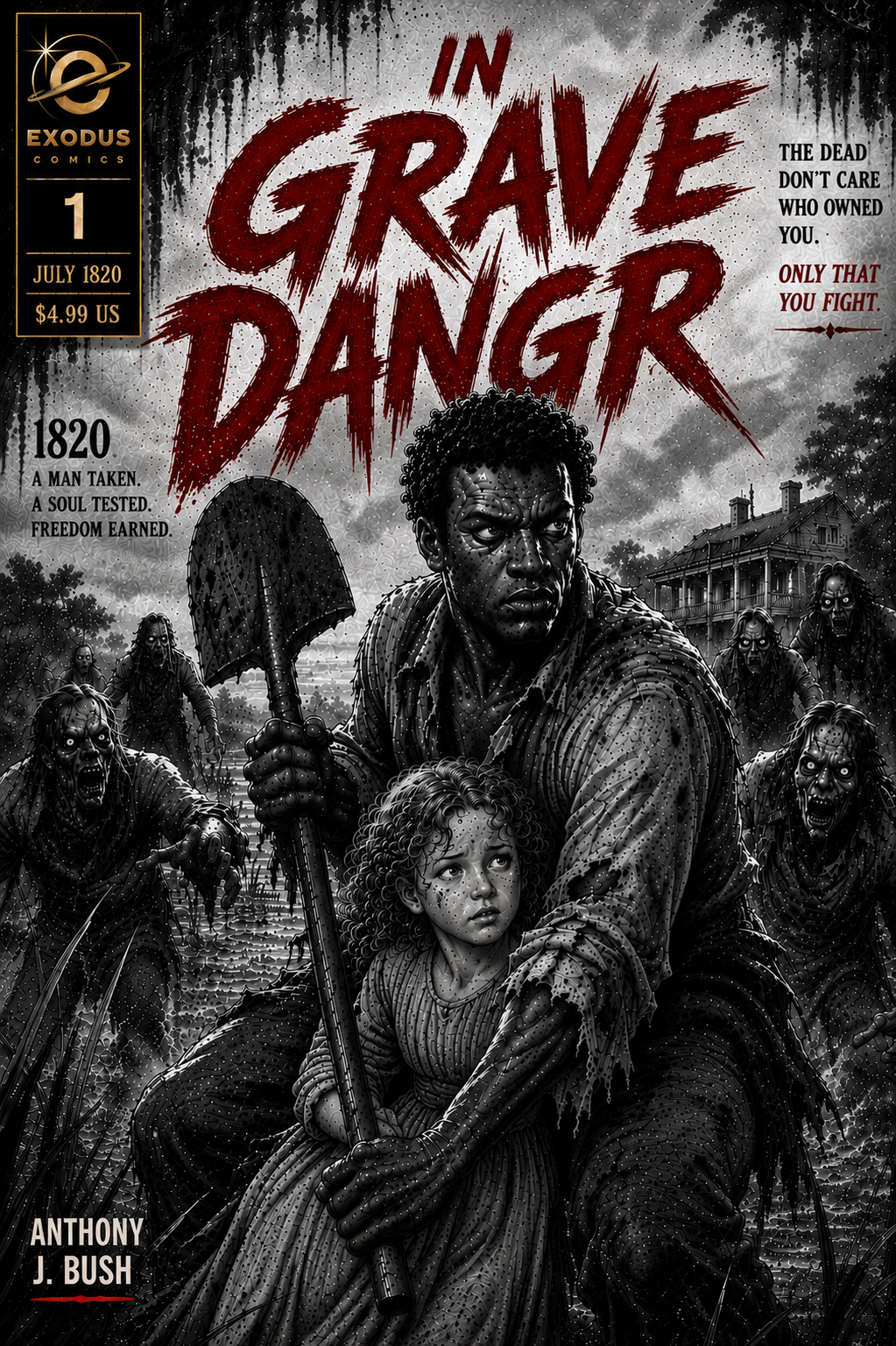
In Grave DangerExodus also carries period survival horror. In Grave Danger pushes freedom, fear, and the dead into the same pressure system.
Featured Franchise
International Combatant League is the opening spine.
ICL is not a superhero branch in disguise. It is built around promotion structure, faction leverage, championship pressure, and the human cost of staying visible inside a violent entertainment machine.
Faction pressure
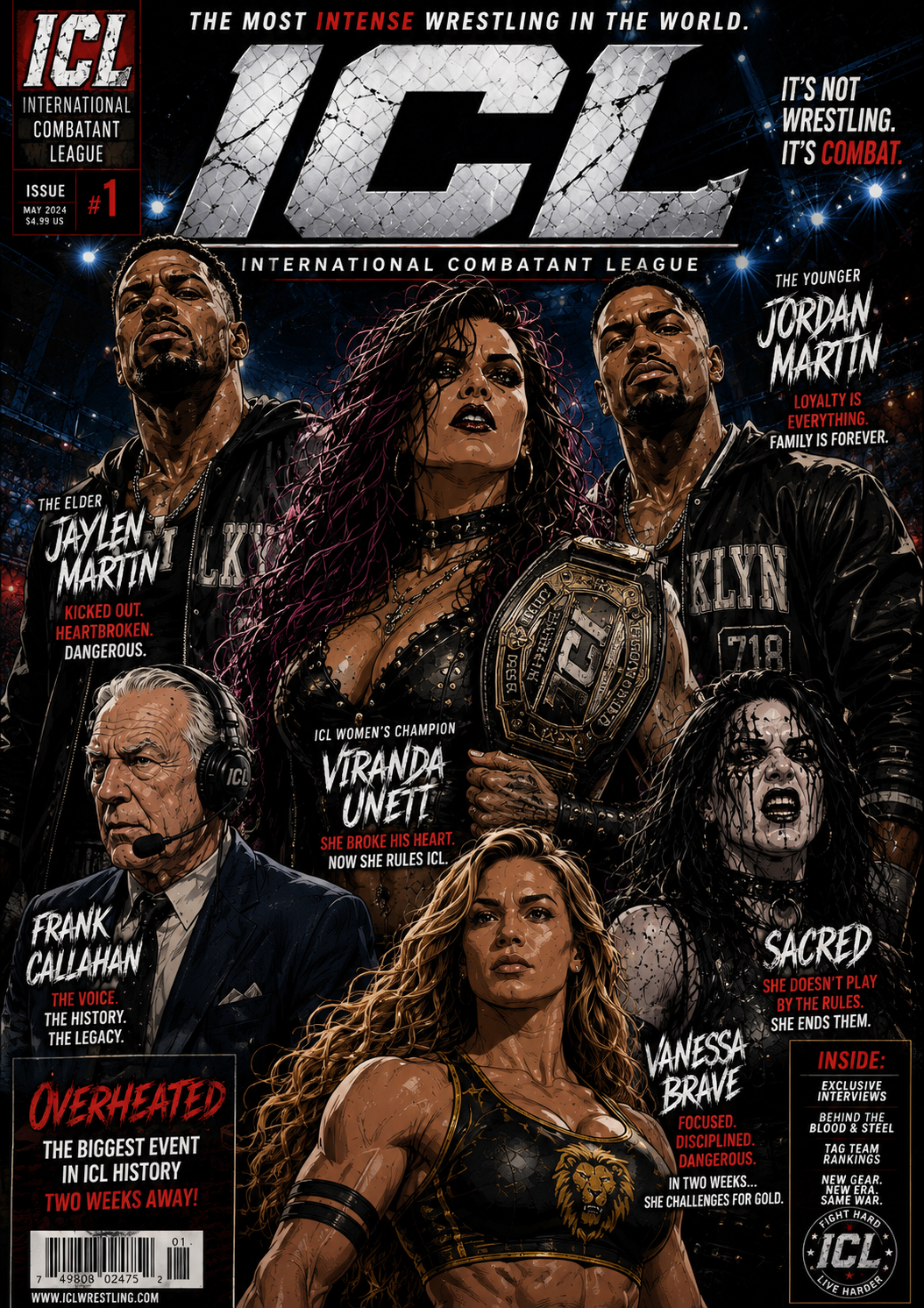
The Martins
Tag-team presence, ring identity, and the kind of family-brand pressure that can dominate a card or fracture it from the inside.
Champion lane
Viranda Lunetti
A champion-centered lane where image control, challenger heat, and backstage decisions matter as much as the match itself.
Why it fits Exodus
No powers. Still volatile.
- Rivalries built on status, not cosmic stakes
- Backstage operators with real leverage
- Titles, crews, and grudges that reshape the card
- Grounded violence with public consequences
Visual Direction
Exodus reads darker, tougher, and more grounded.
The line leans into arena light, promo-stage aggression, champion imagery, and roster politics instead of capes, mythology, or world-saving spectacle.
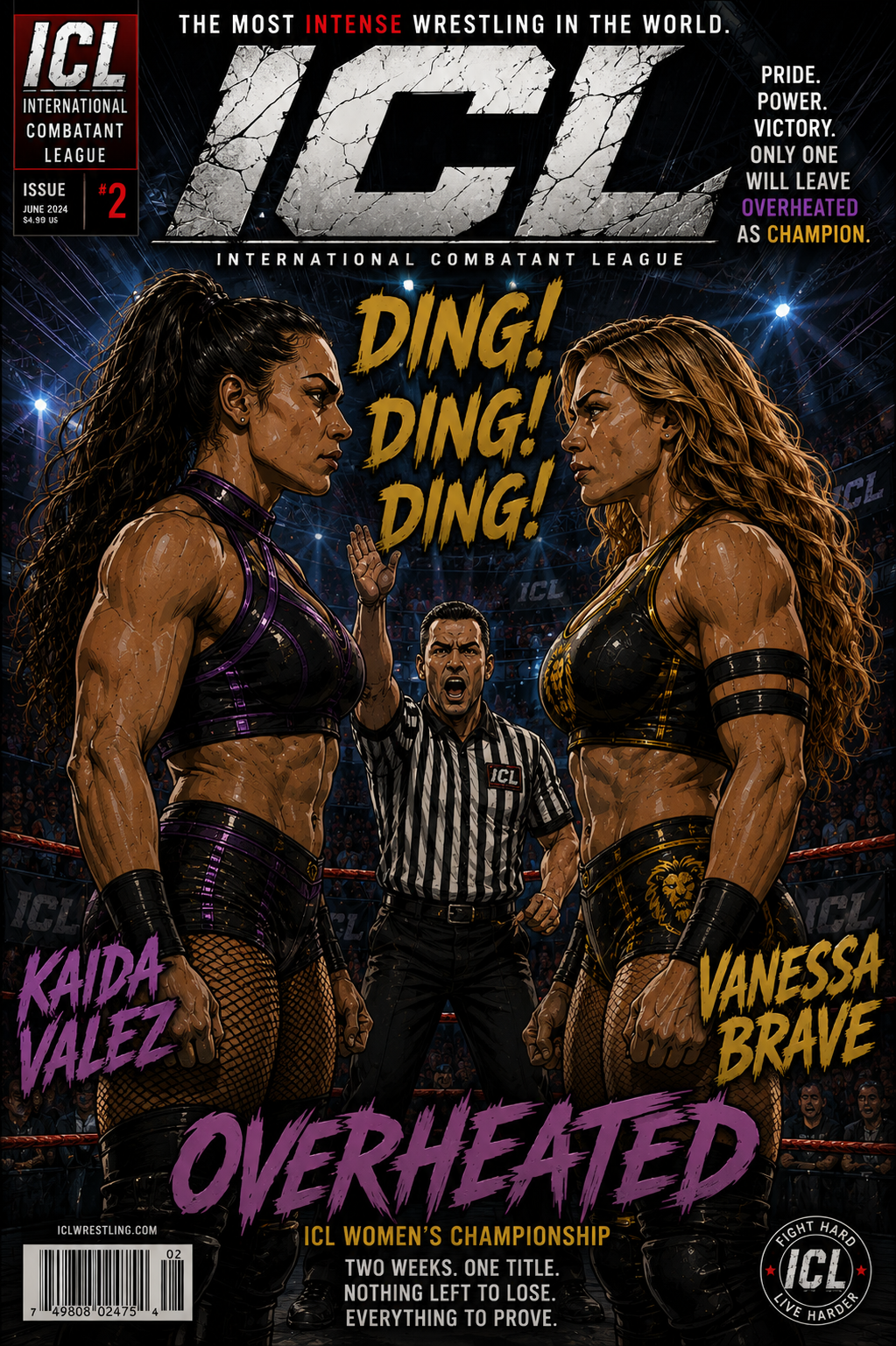
Women's division
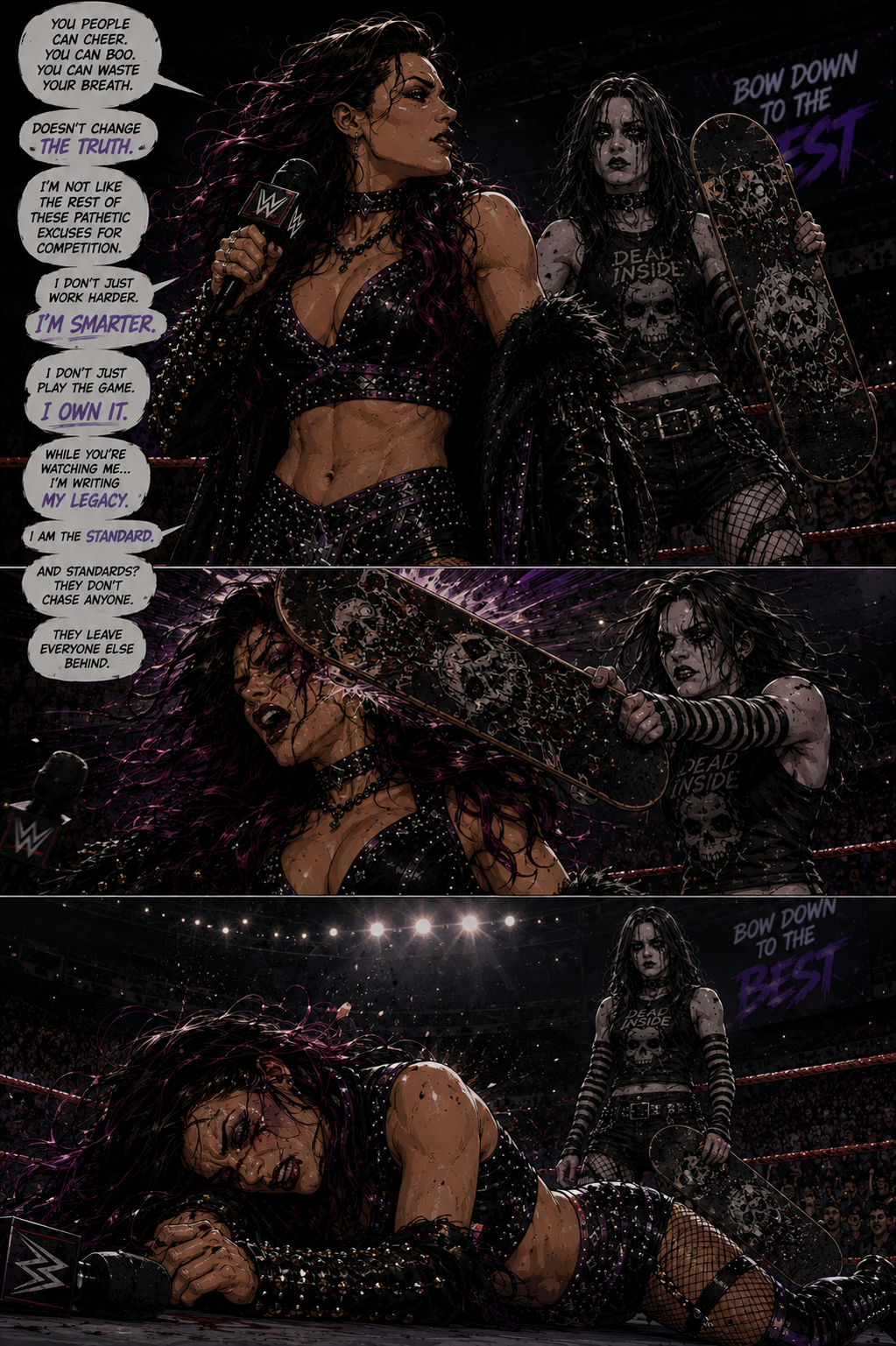
Vanessa Brave and Sacred
Rivalries framed through title pursuit, presentation control, and the personal damage of staying marketable while under attack.
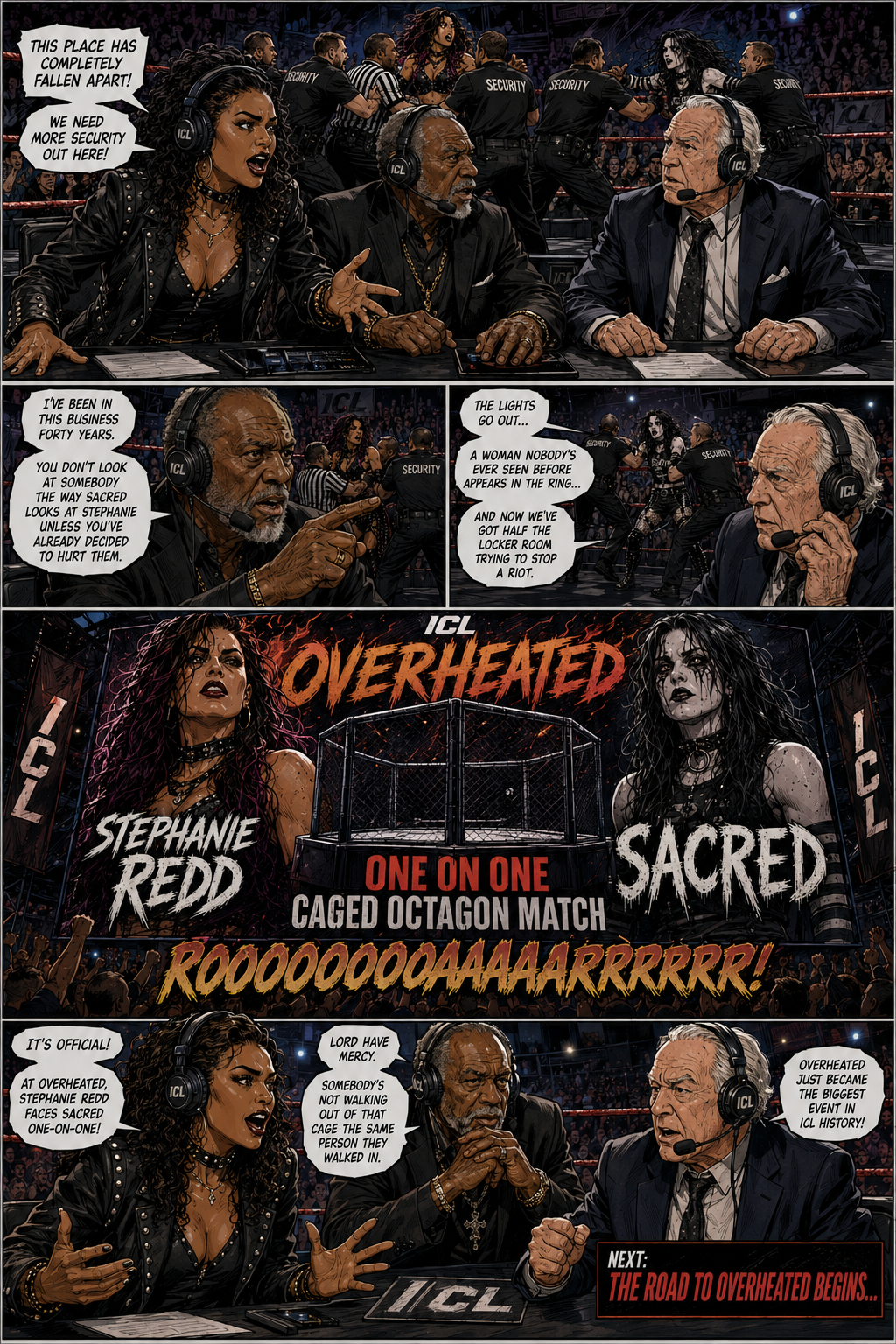
Broadcast pressure
Card night energy
Not just the fight. The commentators, handlers, entrances, and producer-level framing are part of the conflict system.
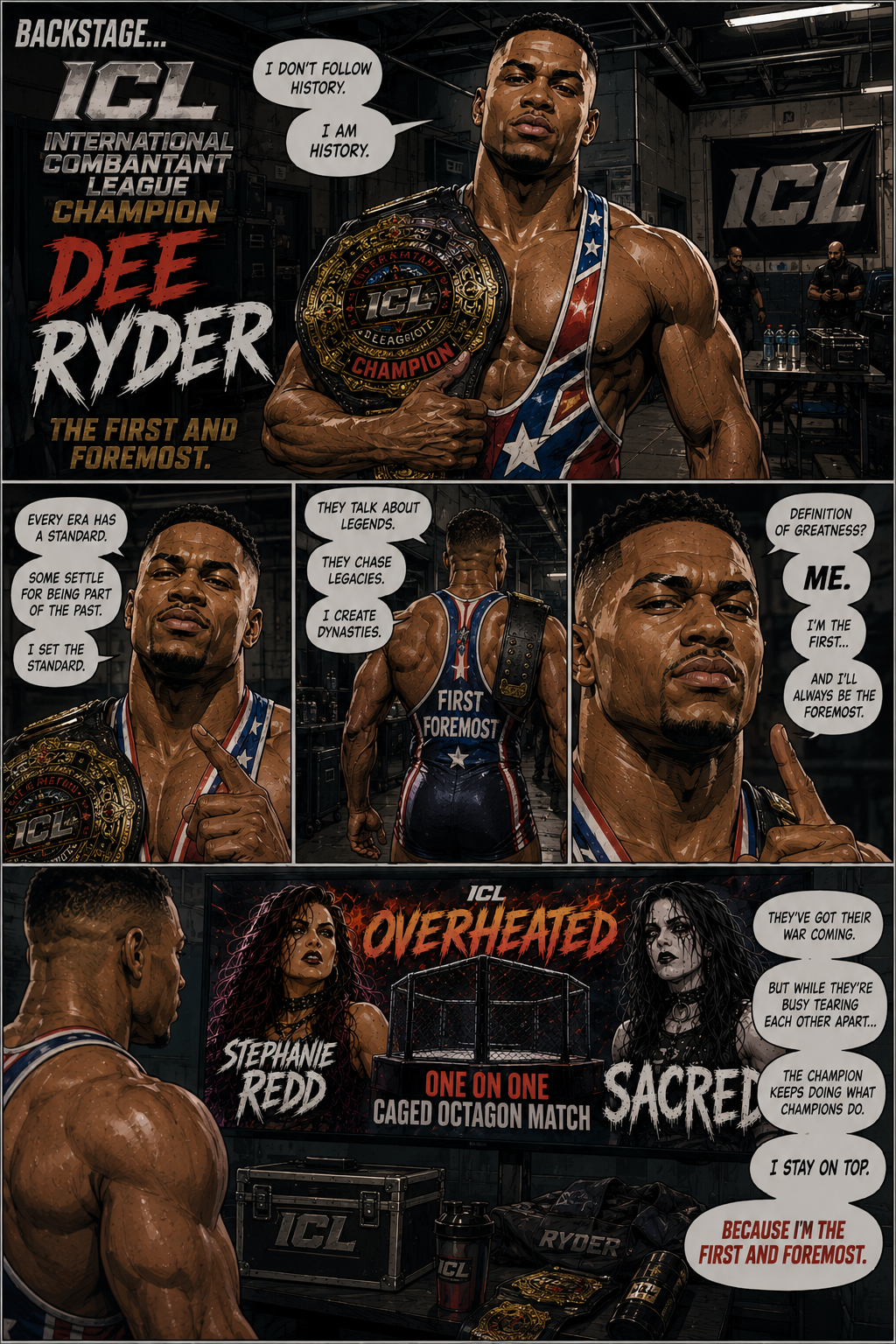
Heat and fallout
Dee Ryder, Stephanie Redd, and Overheated
The line has room for grudges, unstable alliances, and the kind of reputational damage that keeps moving after the bell.
Novel Adaptation
Writer's Block gives Exodus a fresh grounded adaptation lane.
One of the newest additions to the imprint is Writer's Block, a comic adaptation of a newly finished novel. It fits Exodus because the hook is still pressure, character, and consequence rather than superhero scale.
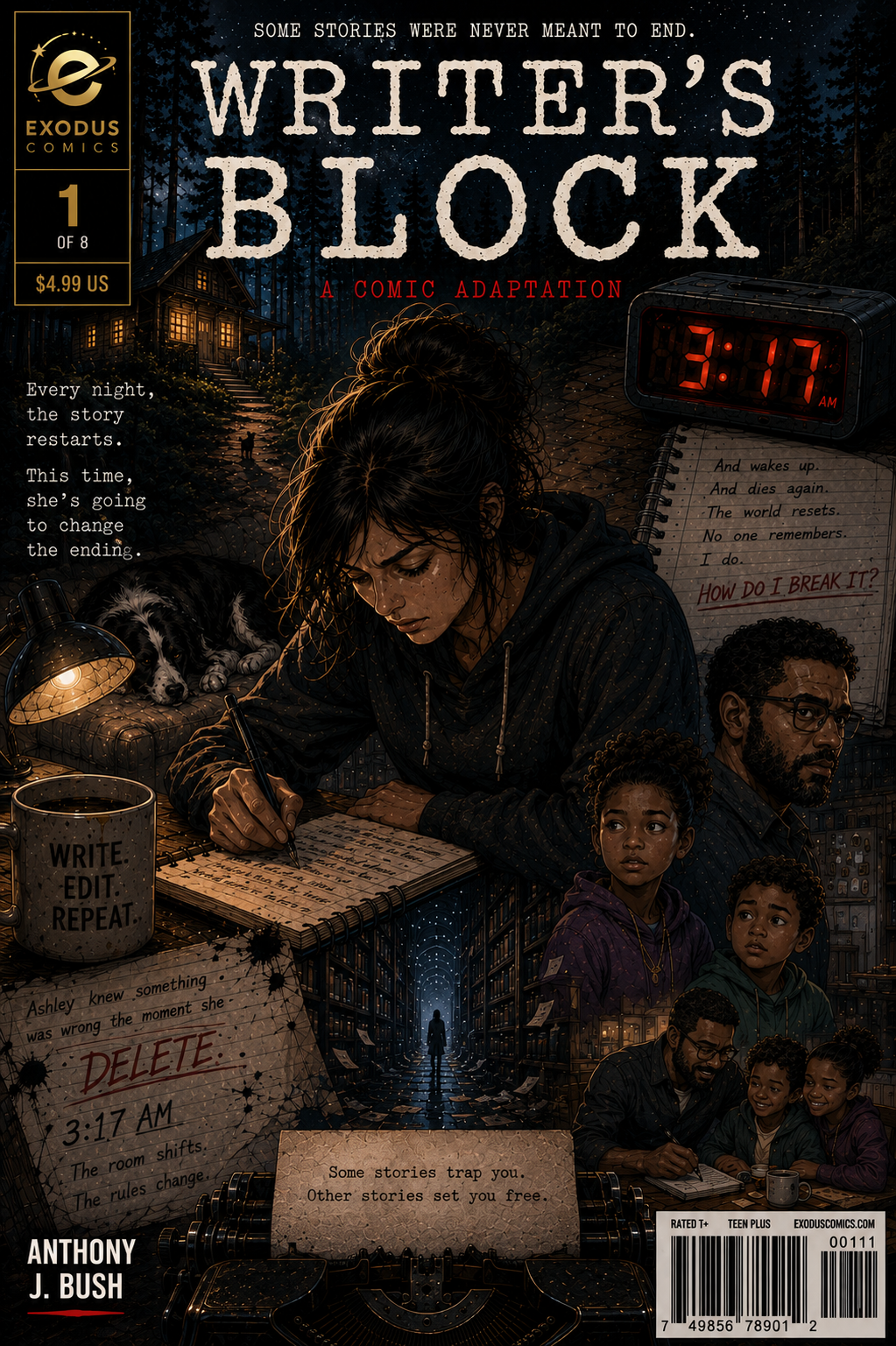
Cover reveal
Writer's Block
The cover establishes Writer's Block as a separate Exodus lane: grounded, narrative-first, and built from prose material that is now being translated into comics.
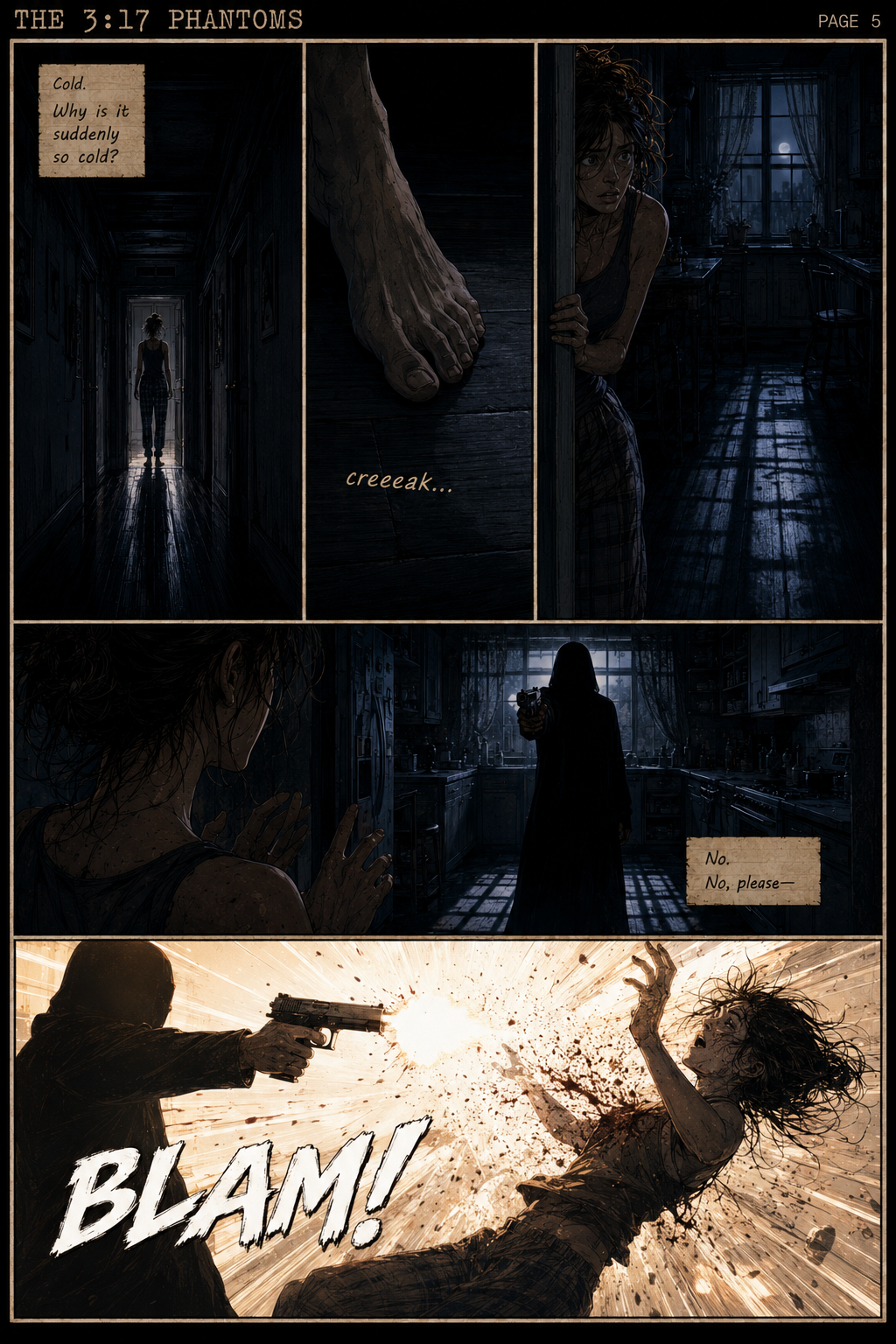
Preview art
Adaptation mood
This image helps define the visual tone for the adaptation, showing how the prose world can hold its pressure once it is staged panel by panel.
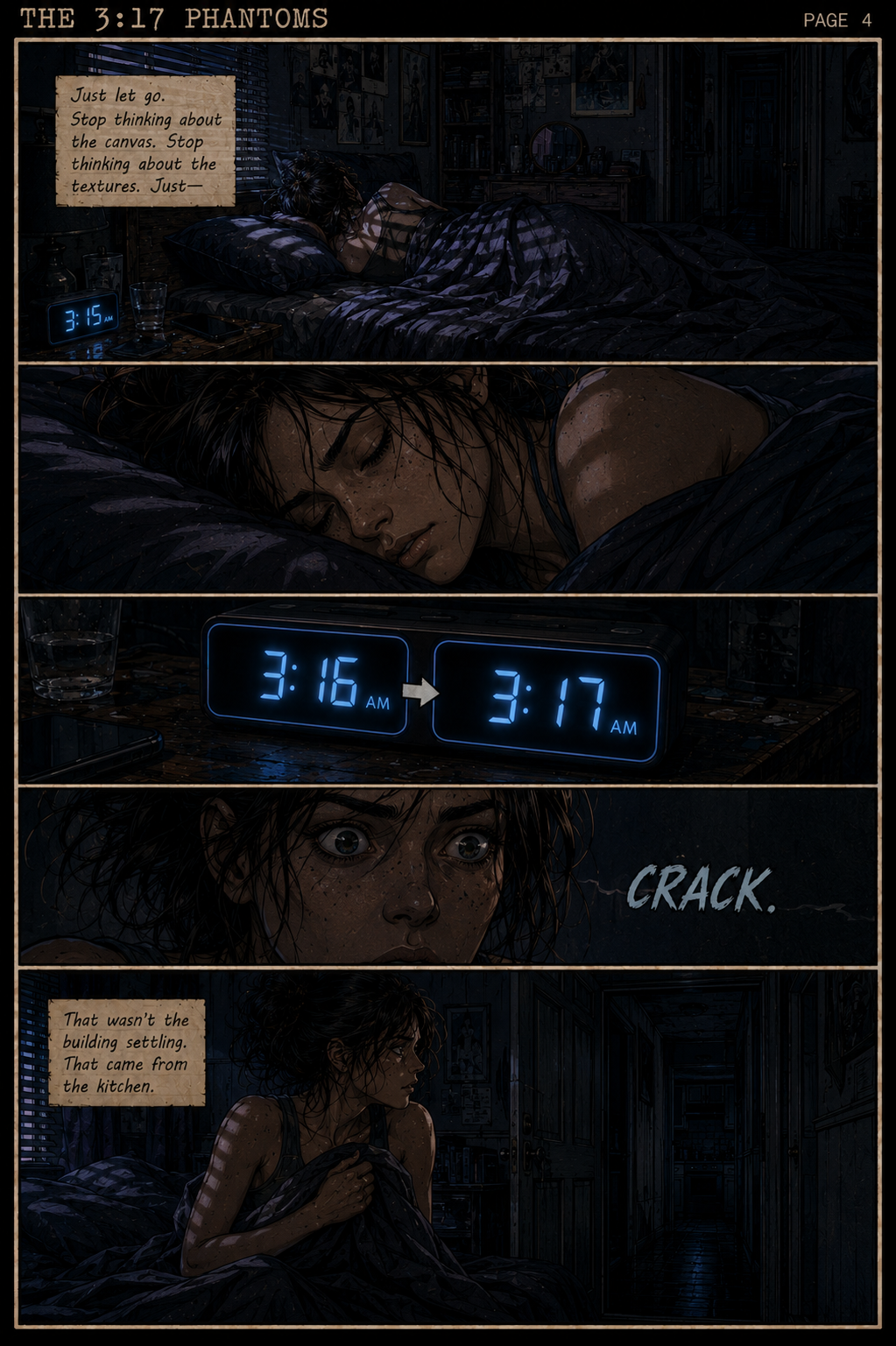
Preview page
Retail-facing package
Additional finished pages make the release feel like a true issue package instead of a cover-led concept drop.
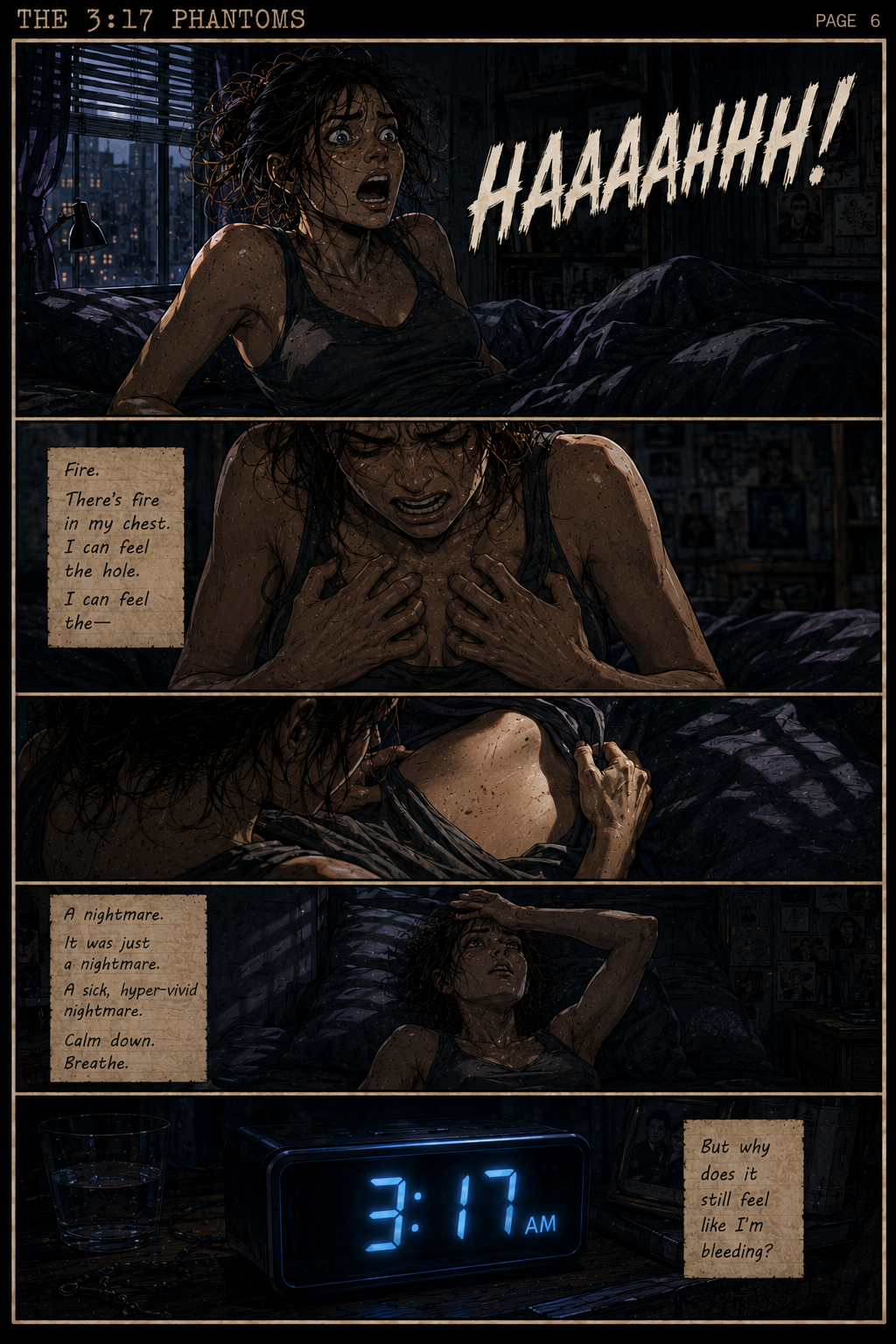
Preview page
Sequence support
A third preview page gives Exodus a more convincing read on pacing, tone, and how the adaptation carries scene pressure across multiple beats.
Historical Survival Horror
In Grave Danger expands Exodus beyond combat-sports pressure.
Set in Mississippi in 1820, In Grave Danger uses the Exodus lane for grounded horror: slavery, escape pressure, dread, and the dead closing in while freedom still has to be earned by human action.
Issue one
In Grave Danger
1820. A man taken. A soul tested. Freedom earned. The cover plants the line as historical horror driven by pursuit, survival, and refusal to submit.
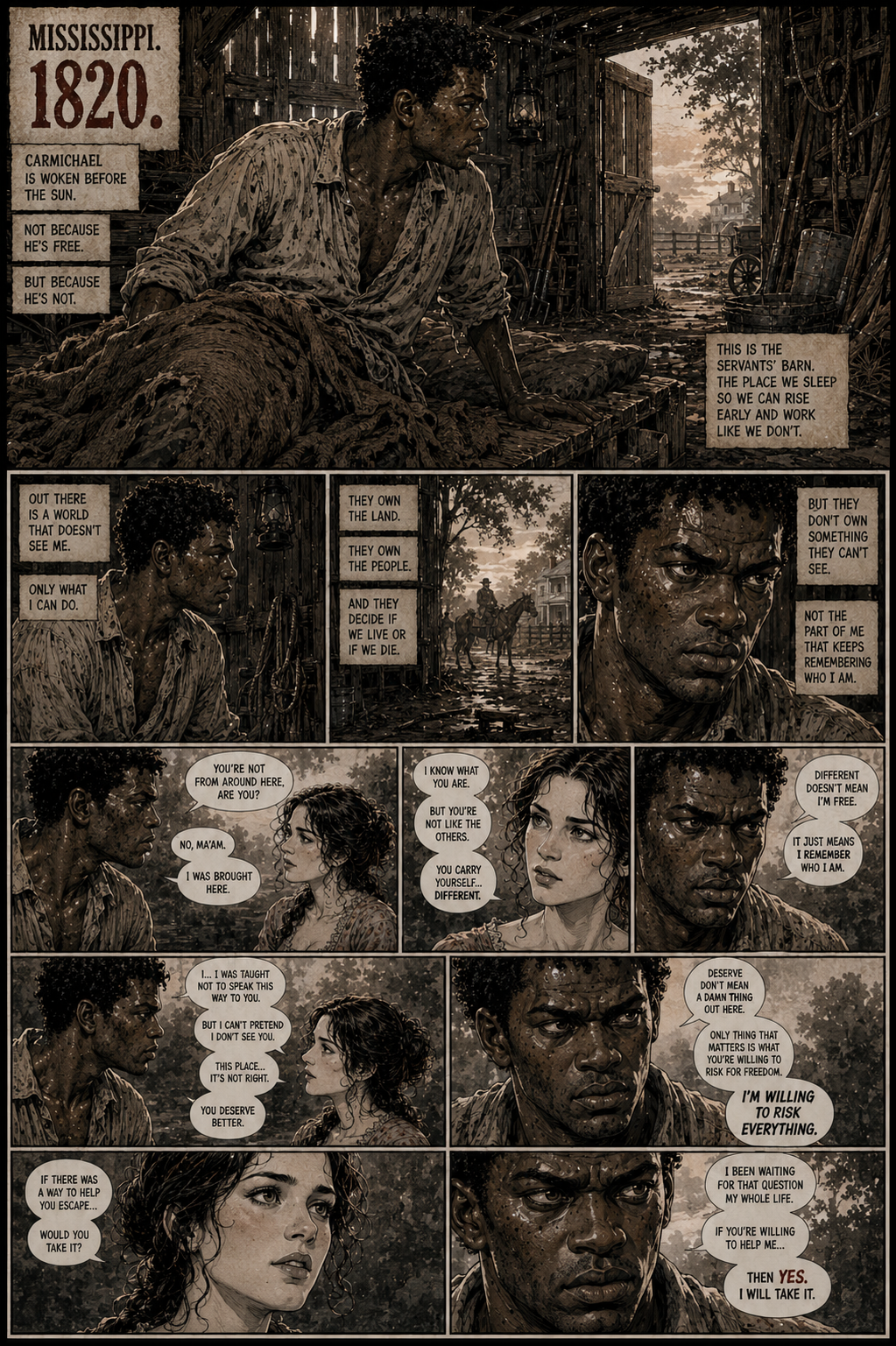
Interior page
Opening sequence
The interior page sets the pressure immediately: servitude, private resolve, and the first serious conversation about escape before the undead threat fully closes in.
Why it fits Exodus
Grounded horror under organized cruelty.
- No powers, no capes, only fear and survival
- Historical pressure before the supernatural breaks through
- Character choices stay central even when the dead arrive
- Freedom, risk, and violence all carry real cost